
–A new education program from Deadbeat Club.
The Classroom is an annual photobook mentorship for a small cohort of serious photographers. The group will work directly with Deadbeat Club to take each artist's project from loose idea to realized photobook presentation.
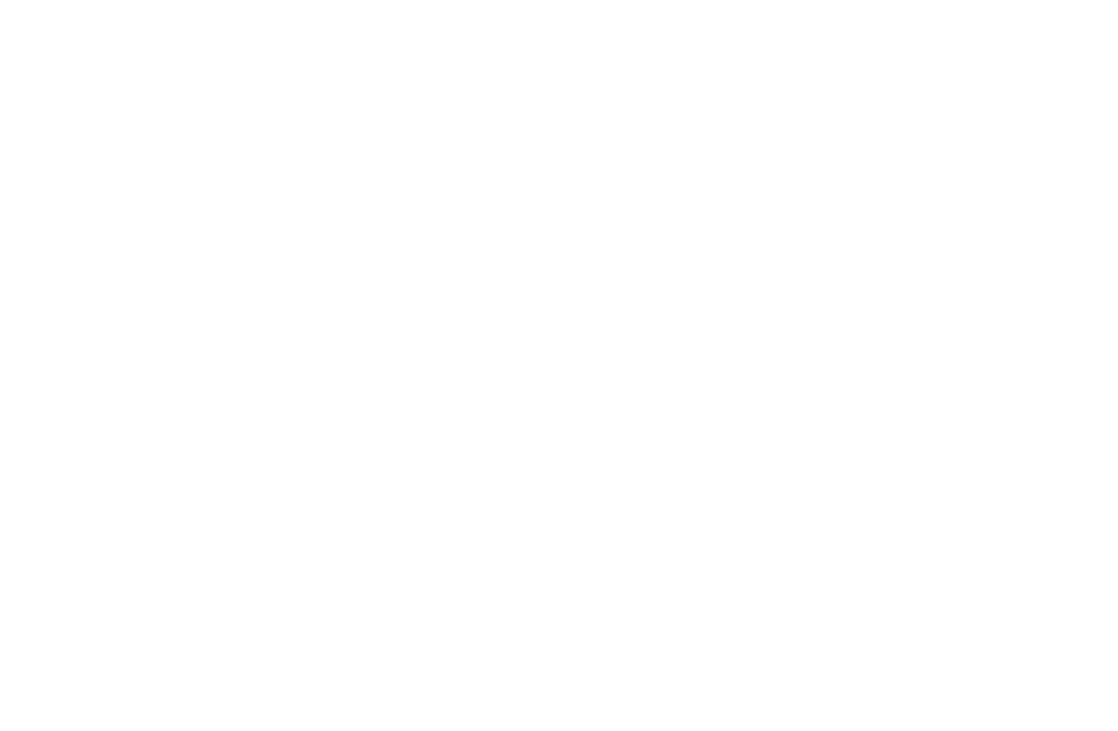
The program is advising, critique, and community, shaped around the needs of each individual project. Along the way, expect one-on-one mentorship, group critique, work sessions with the publishers, and lectures and feedback from prominent guest artists, editors, and curators.
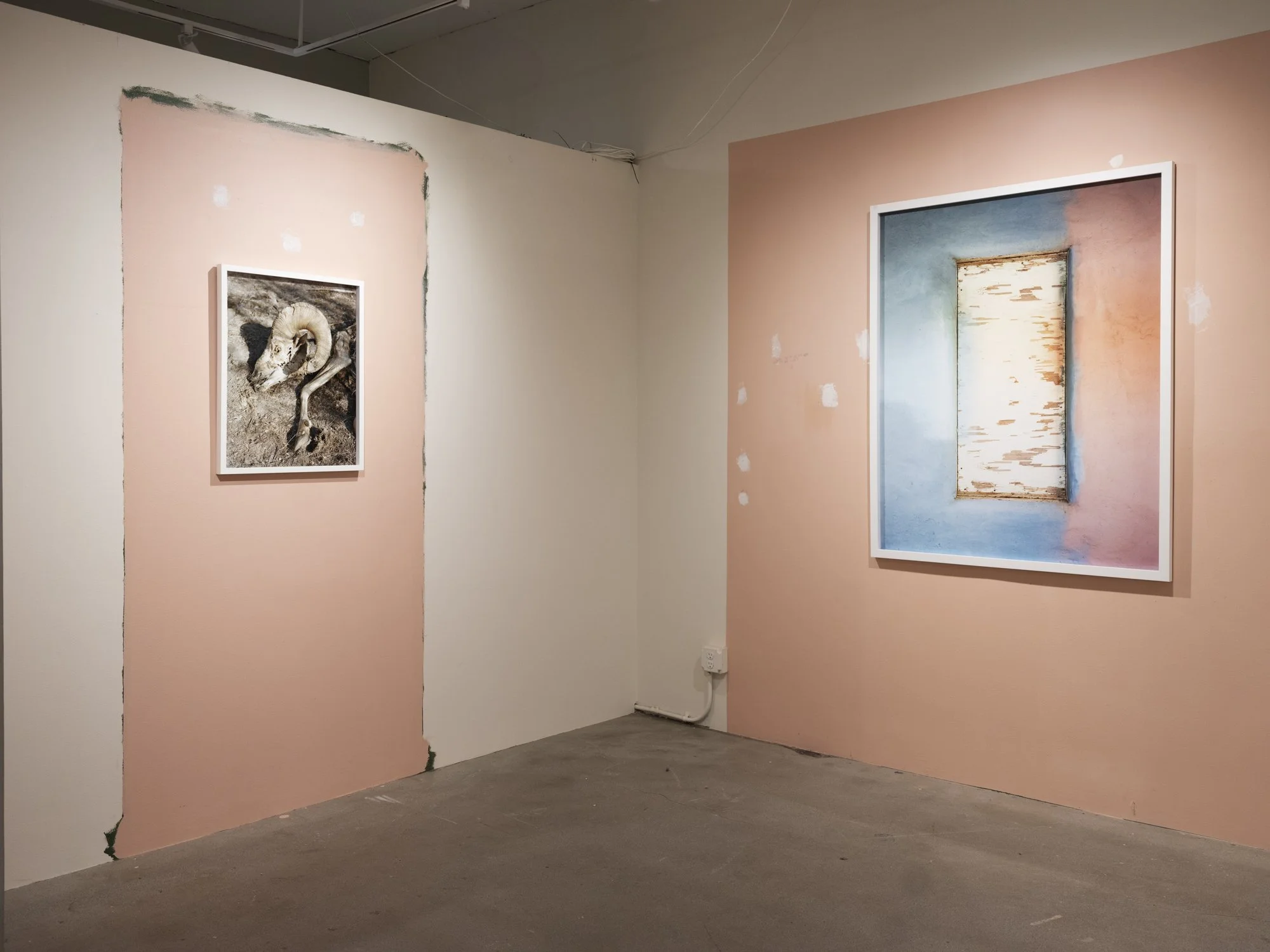
The year closes with a group exhibition in Los Angeles and a collective publication by Deadbeat Club.
–Program dates: February - September 2027.
–Now accepting applications.
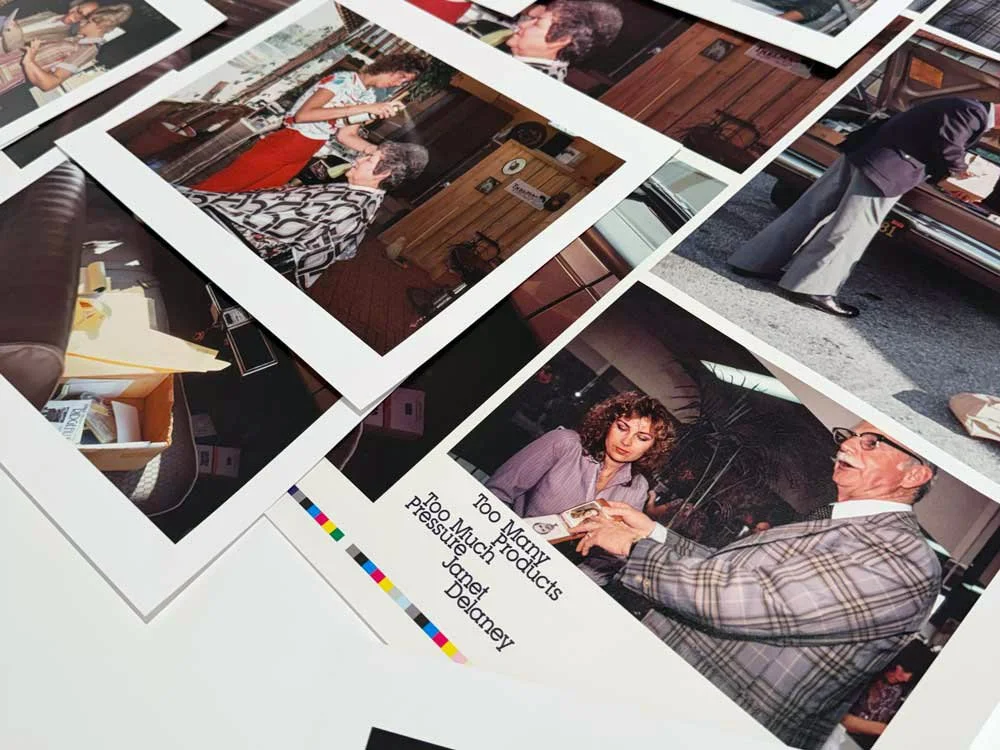
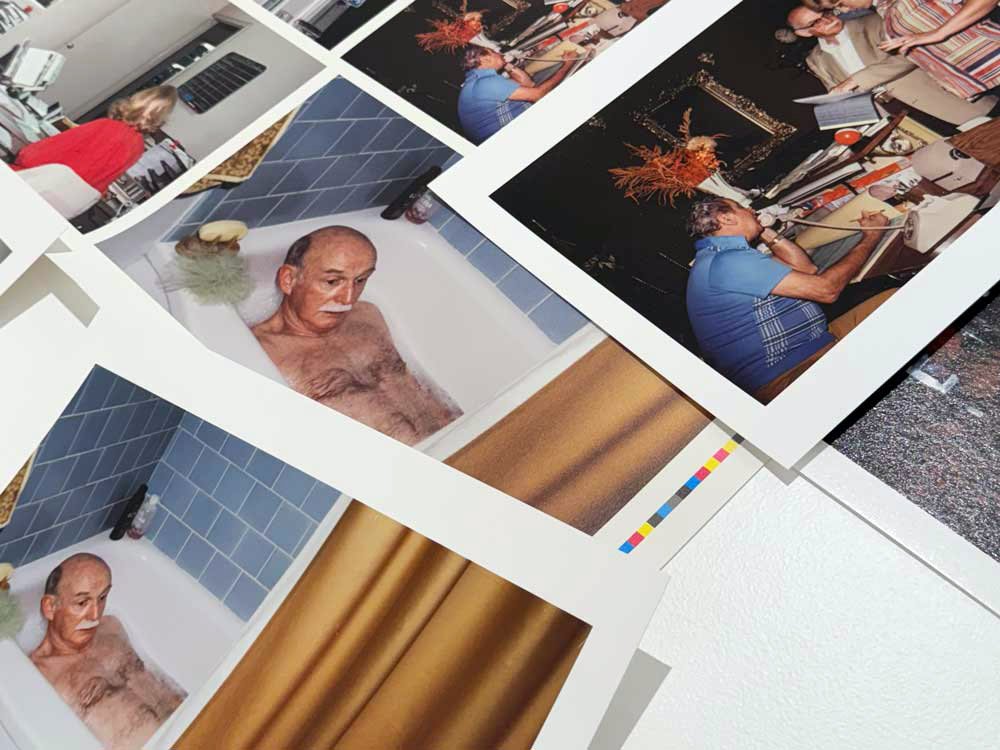
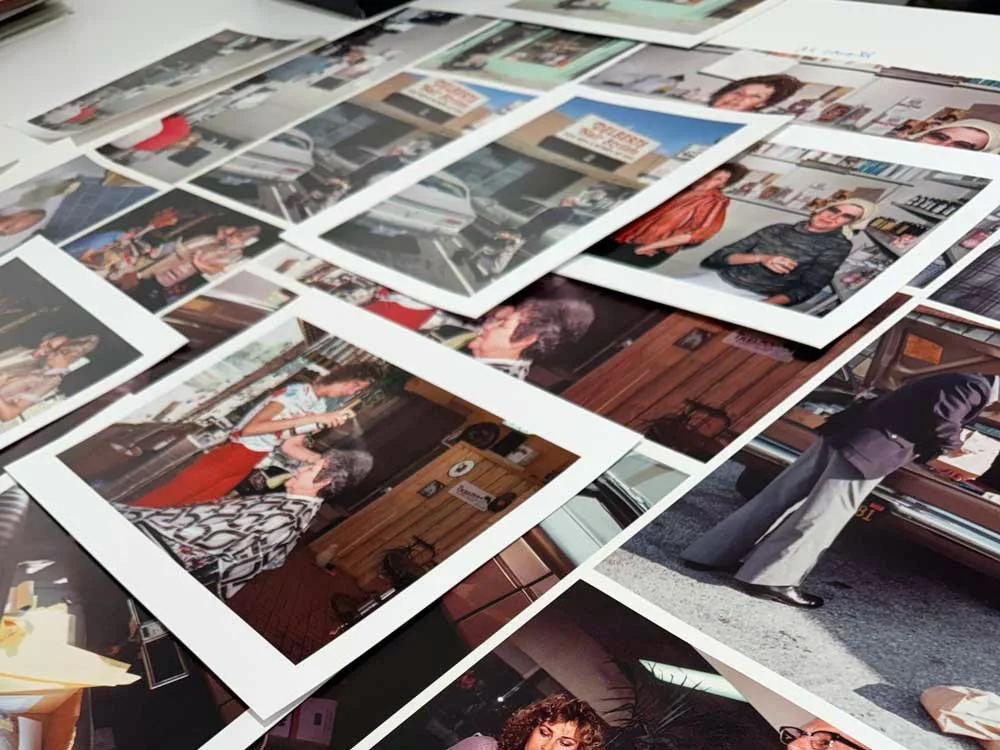
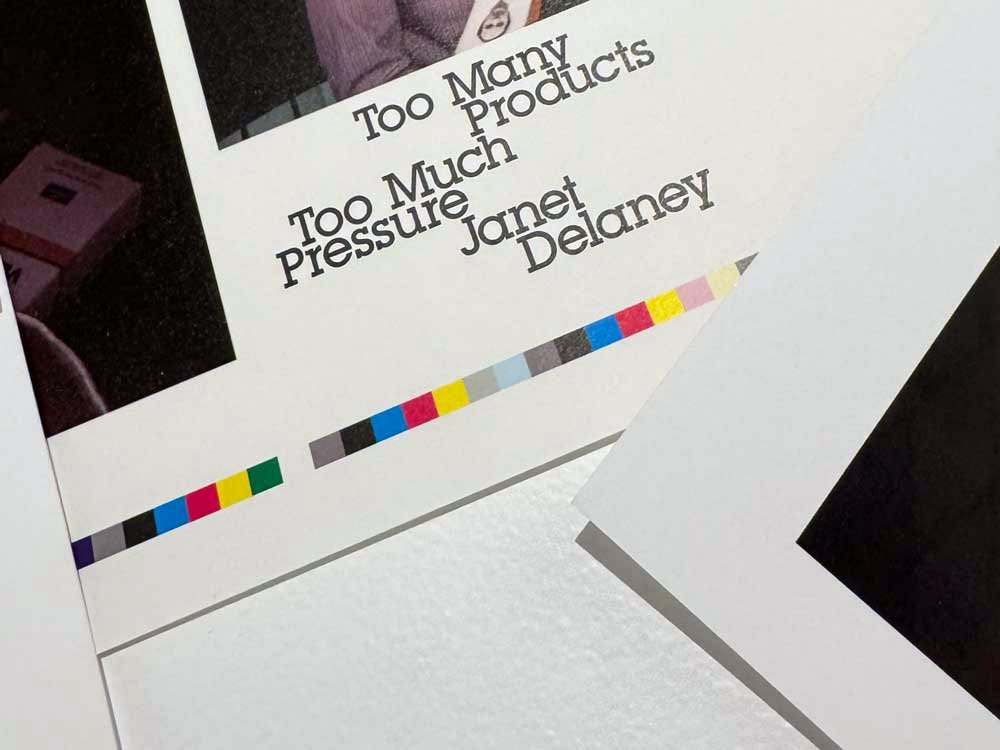
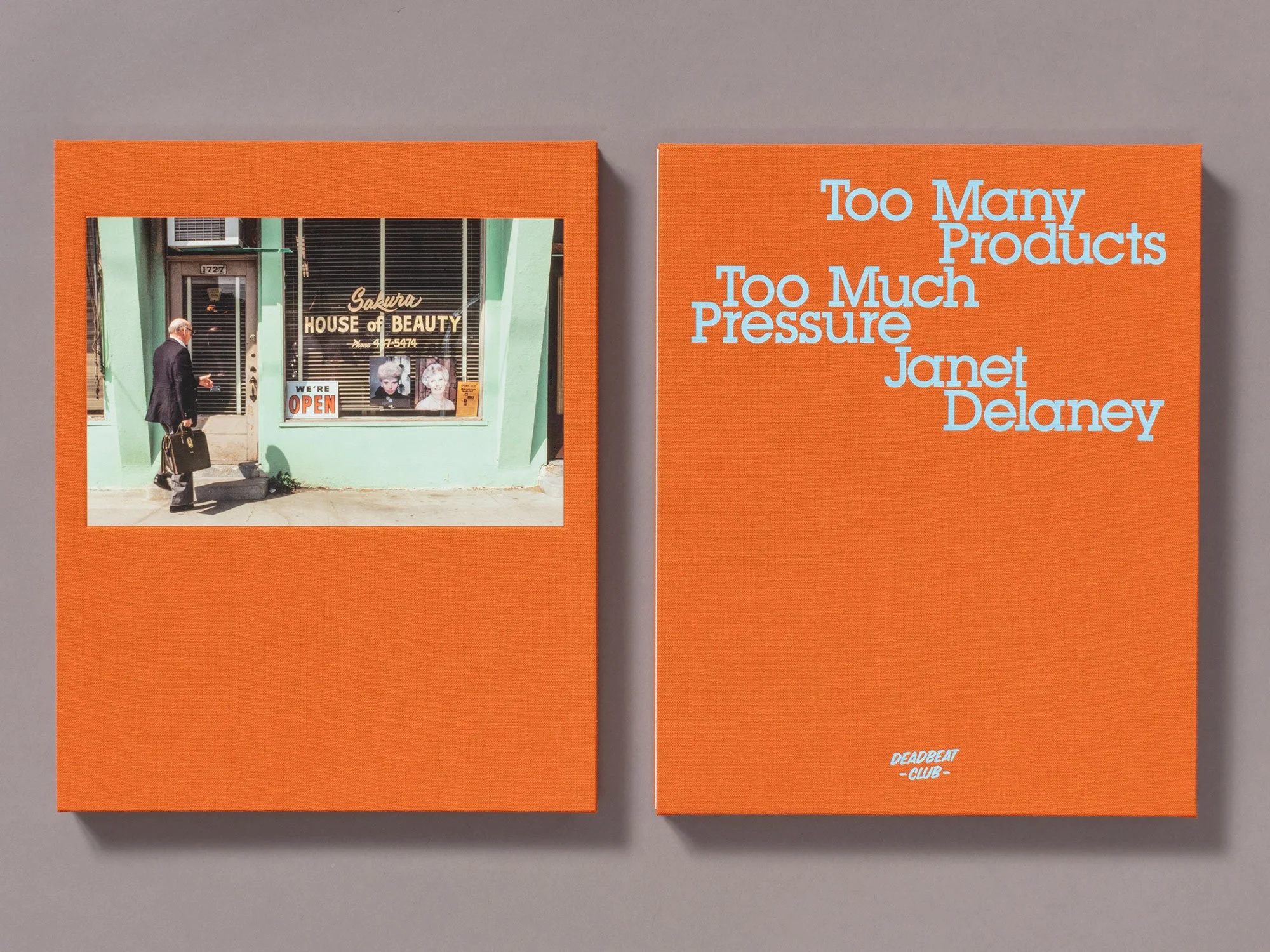
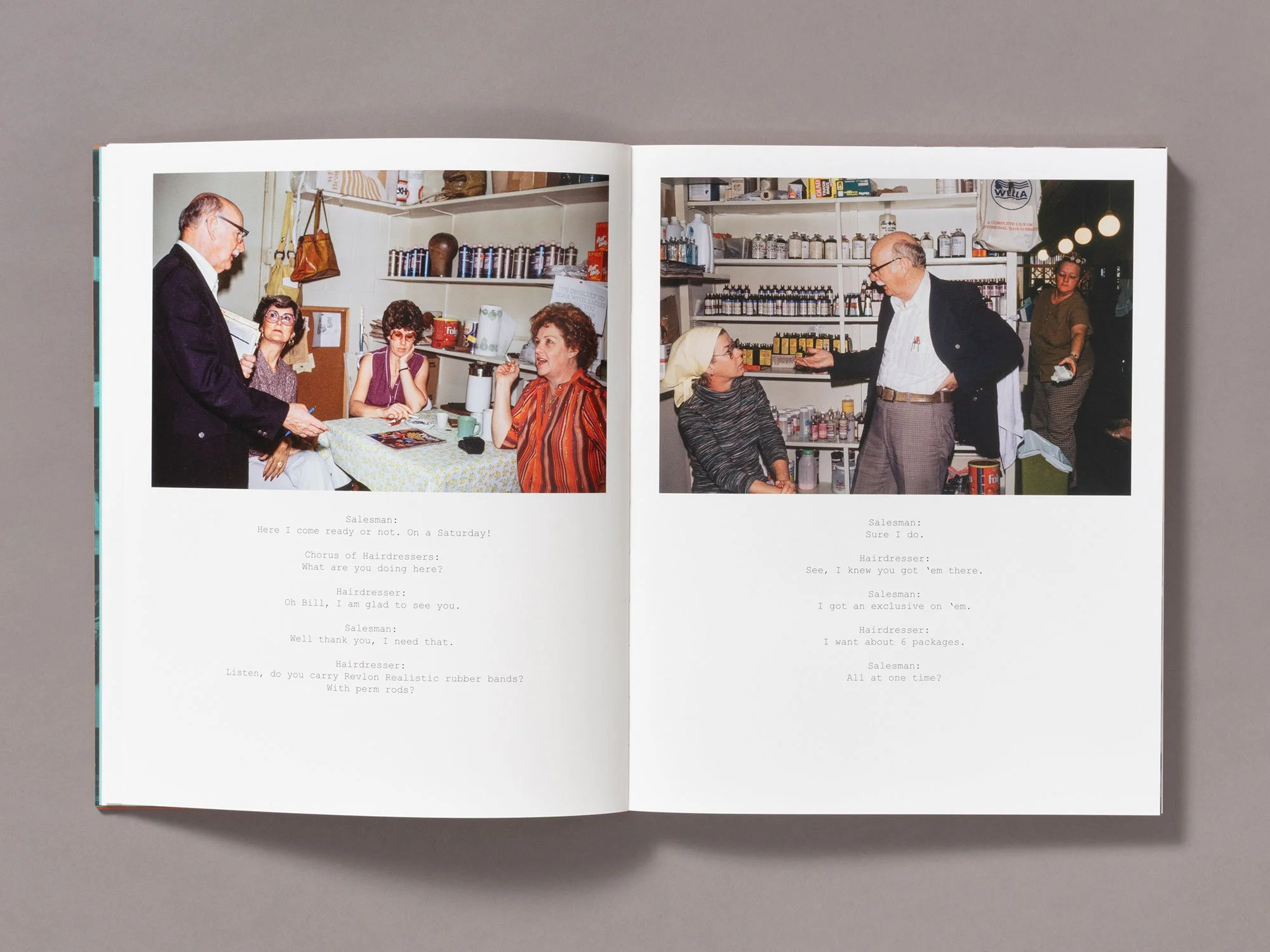
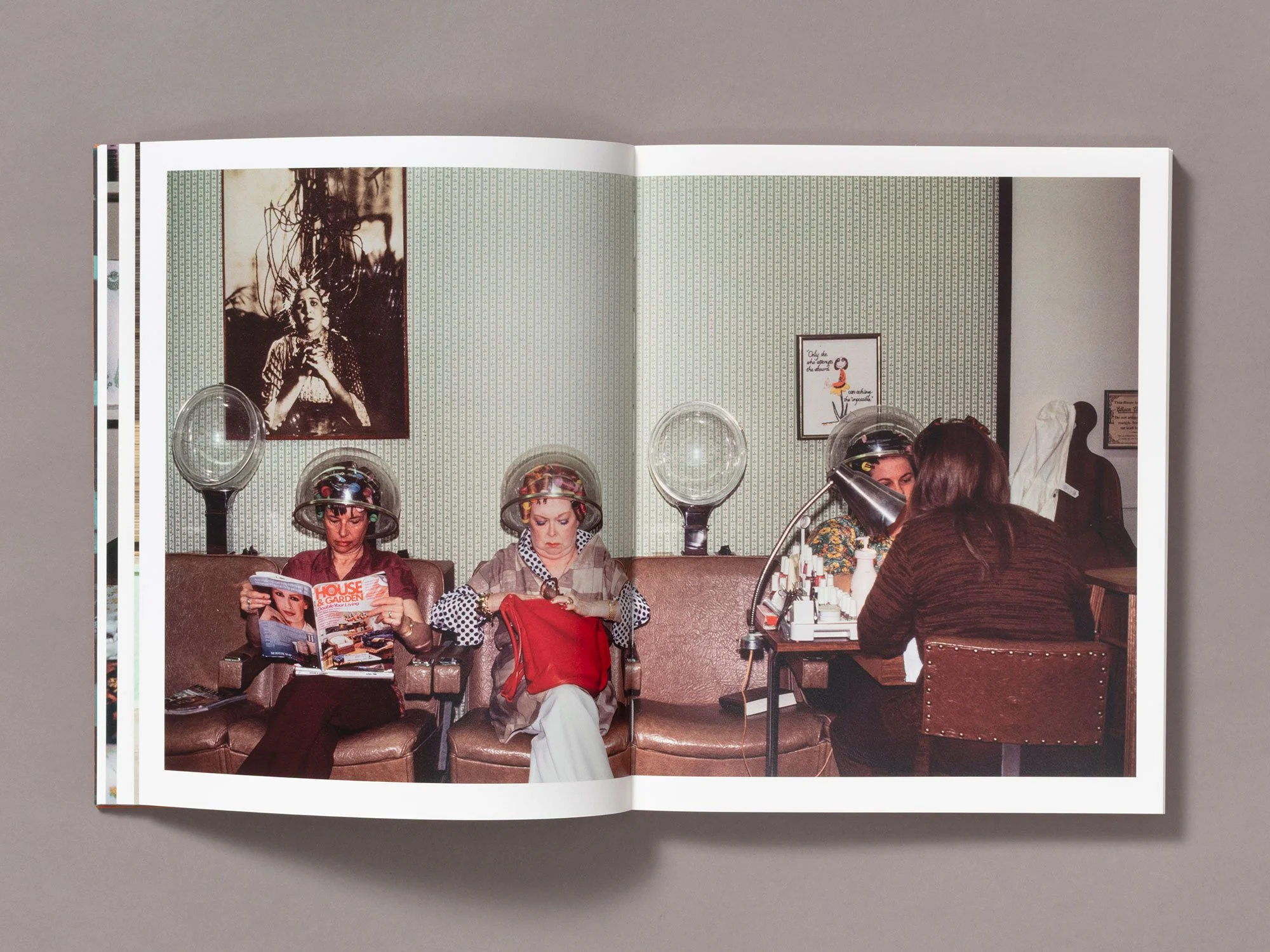
David Campany / Melissa Catanese / Janet Delaney / Carolyn Drake / Rahim Fortune / Allie Haeusslein / Darius Himes / Siri Kaur / Emily Keegan / Dana Lixenberg / Ward Long / Shana Lopes / Chris McCall / Andrea Modica / Ed Panar / Mimi Plumb / Kristine Potter / Ed Templeton / Brad Zellar
David Campany / Melissa Catanese / Janet Delaney / Carolyn Drake / Rahim Fortune / Allie Haeusslein / Darius Himes / Siri Kaur / Emily Keegan / Dana Lixenberg / Ward Long / Shana Lopes / Chris McCall / Andrea Modica / Ed Panar / Mimi Plumb / Kristine Potter / Ed Templeton / Brad Zellar
—Essentials
When
FEB 2027 - SEP 2027
Where
Primarily online, with two optional in-person events at Deadbeat Club Headquarters in Los Angeles
Program
1-to-1 mentorship, group critique, direct work with the publishers, guest lectures and feedback
Outcomes
A group exhibition in Los Angeles and a collective publication from Deadbeat Club, plus your own project resolved to a real presentation
Advisors
Tracy L Chandler with publishers Clint & Alex Woodside plus a roster of guest artists, editors, and curators
Application
Open SEP 2026 - DEC 2026 / $20 Application Fee
Tuition
$7500 early bird rate / $8500 full tuition rate
Scholarship
One fully funded place
—Overview
The Classroom is built to challenge your work, move it forward, and sharpen how you see it.
You come in with a photography project: a loose idea, a body of work that hasn't yet found its shape.
Over eight months we work together to find the work's intention and realize its most potent form. This program is advising, critique, and community, shaped around what your particular project needs.
The publisher access is the part that's hard to find anywhere else, especially for those trying to make a first book or a better one. Deadbeat Club sees the work at every key stage.
By the end of the program, you will be able to look at your work clearly, take feedback without losing your footing, and speak to the choices you made. You will have road-tested the work with an audience through the group's exhibition and collective publication.
You leave with a resolved presentation of your project, work that only you could have made, and a plan for where to take it next.
This is our first year. The group is small and intimate by design, and helps set the tone for everything that follows. Come be part of our founding cohort!
—Why You
This program is for serious photographers with a project they're ready to push.
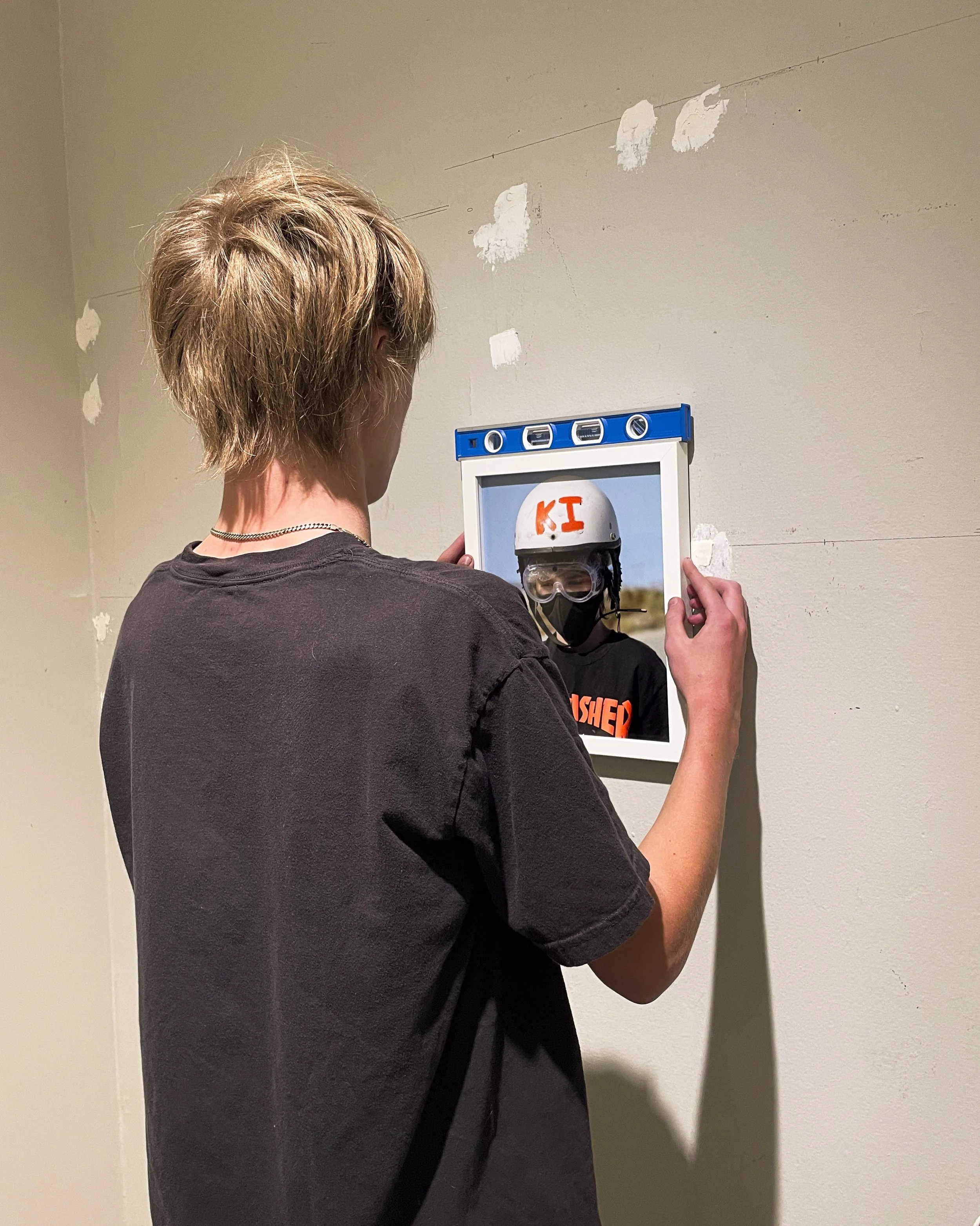
Emerging, art-school-trained, self-taught, mid-career, it doesn't matter how you got here. What matters is that you have work and you want to move it forward.
-
Sometimes it's hard to get organized on your own. The program gives the year a shape, the work a form to fill, and a date to meet it by. Then a clear plan for what comes after.
-
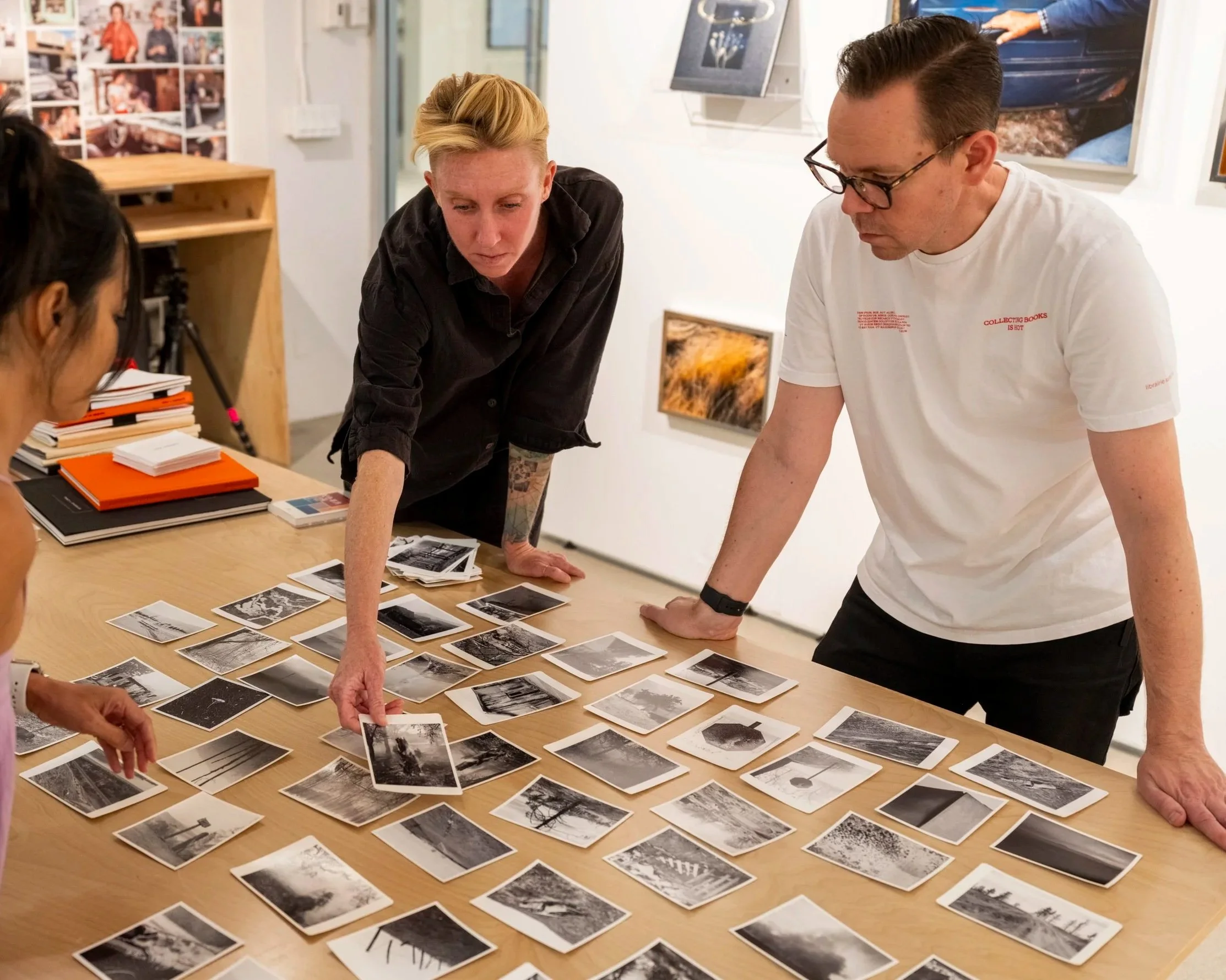
It's hard to see your own work clearly when you're this close to it. You get advising, publisher sessions, group critique, and guest artists, all of it on your actual project, month after month.
-
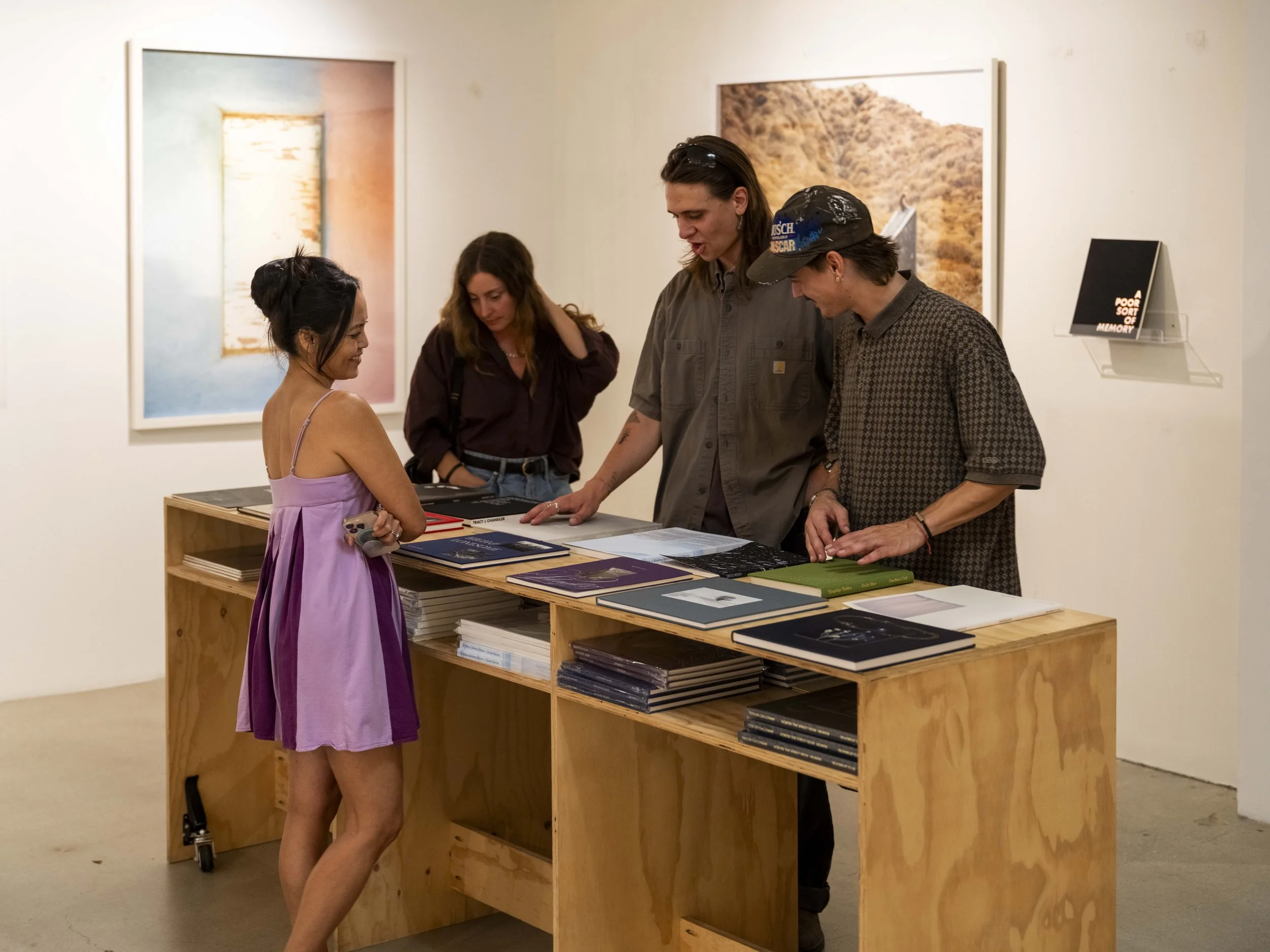
Every long project has a middle where the idea stops feeling good and you're sure it isn't working. Most photographers hit that alone. Here you don't. You have a group in the same place, and people who have been through it before.
-
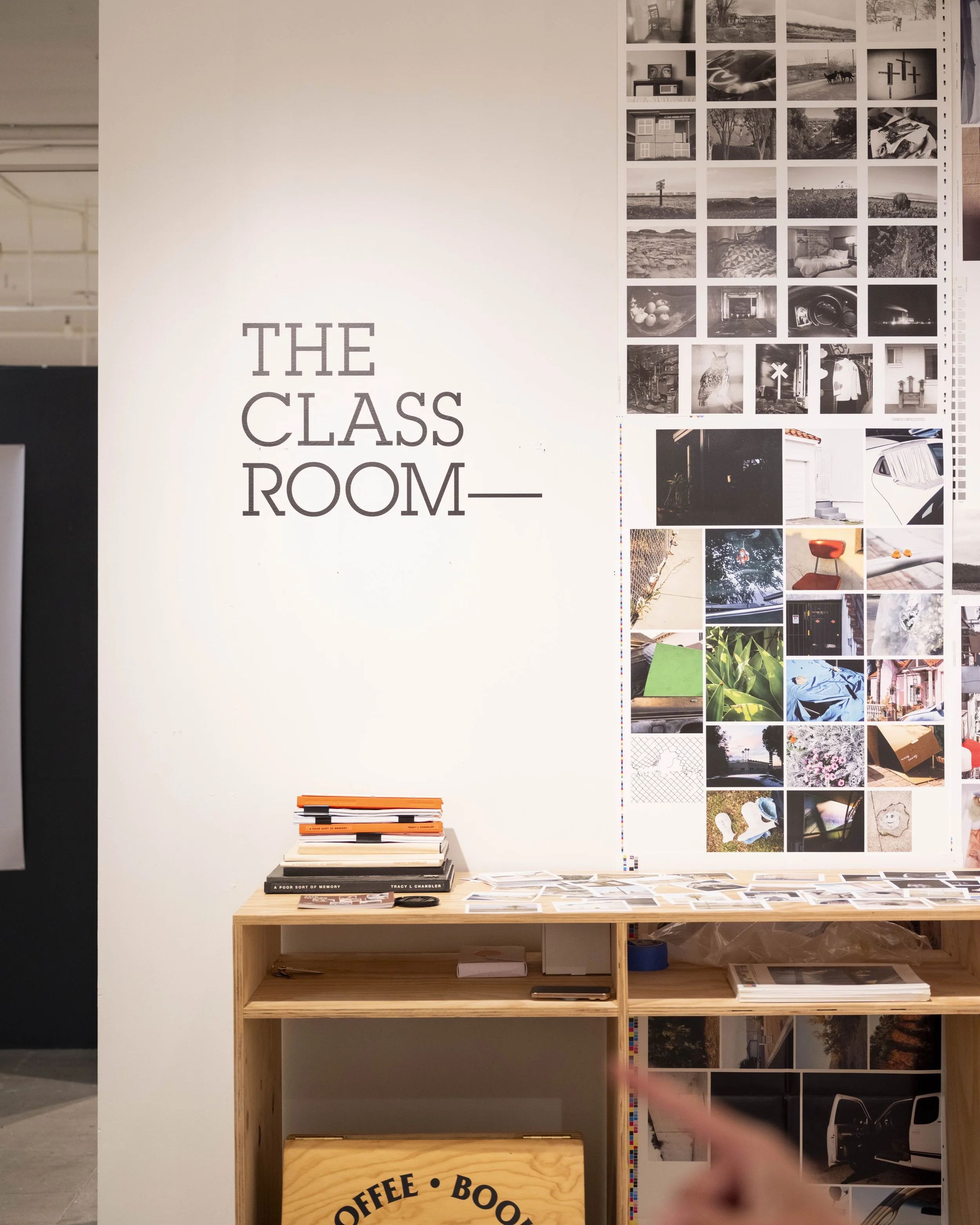
The year ends with your work seen, in print and on a wall. It enters the wider photography context, and the audience shows you things you couldn't have seen on your own.
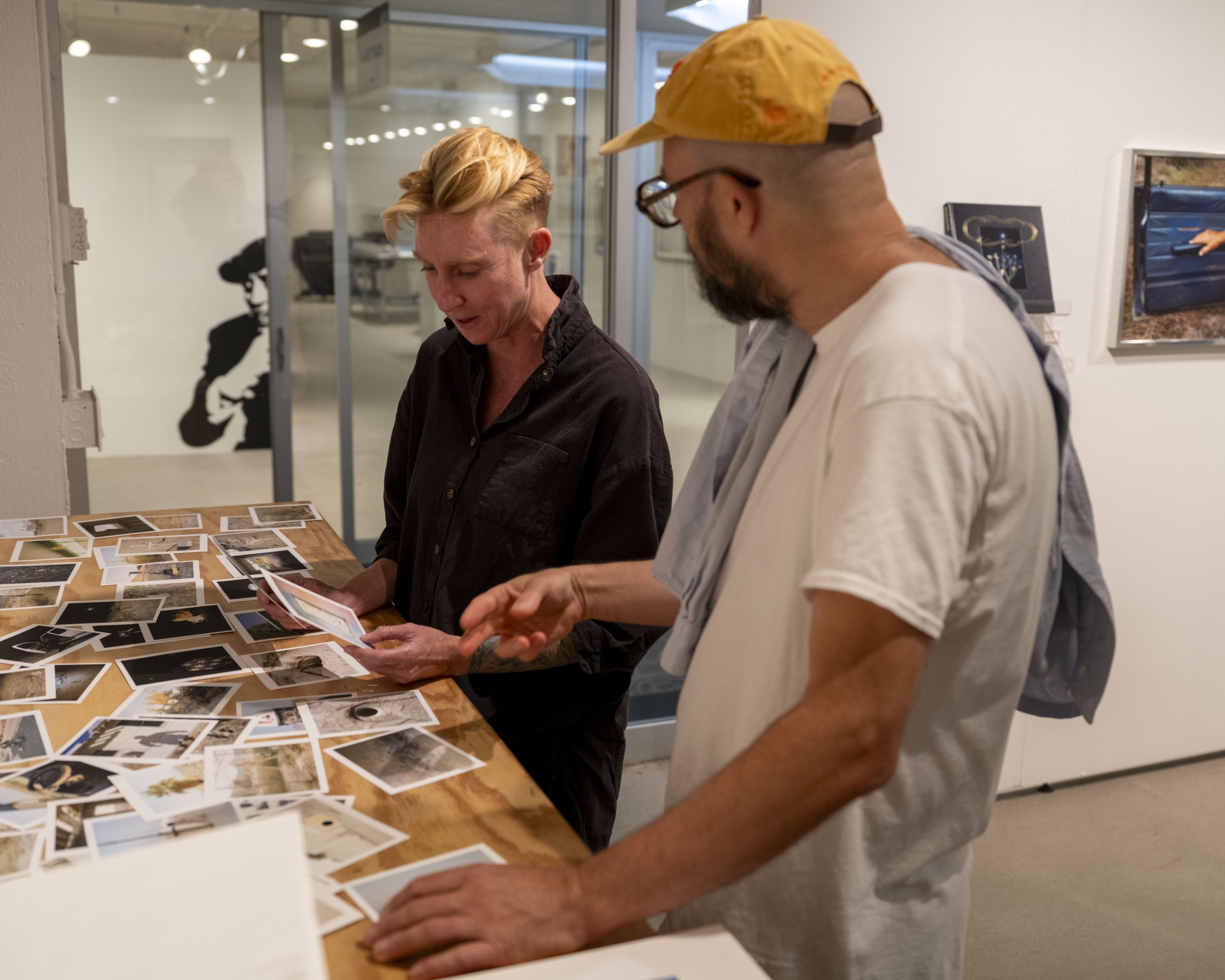
—Program
—Structure
Six one-on-one sessions with your advisor, Tracy L Chandler
The spine of the year. Your project tracked against its own goals, month by month.
Four sessions with the publishers, Clint and Alex Woodside
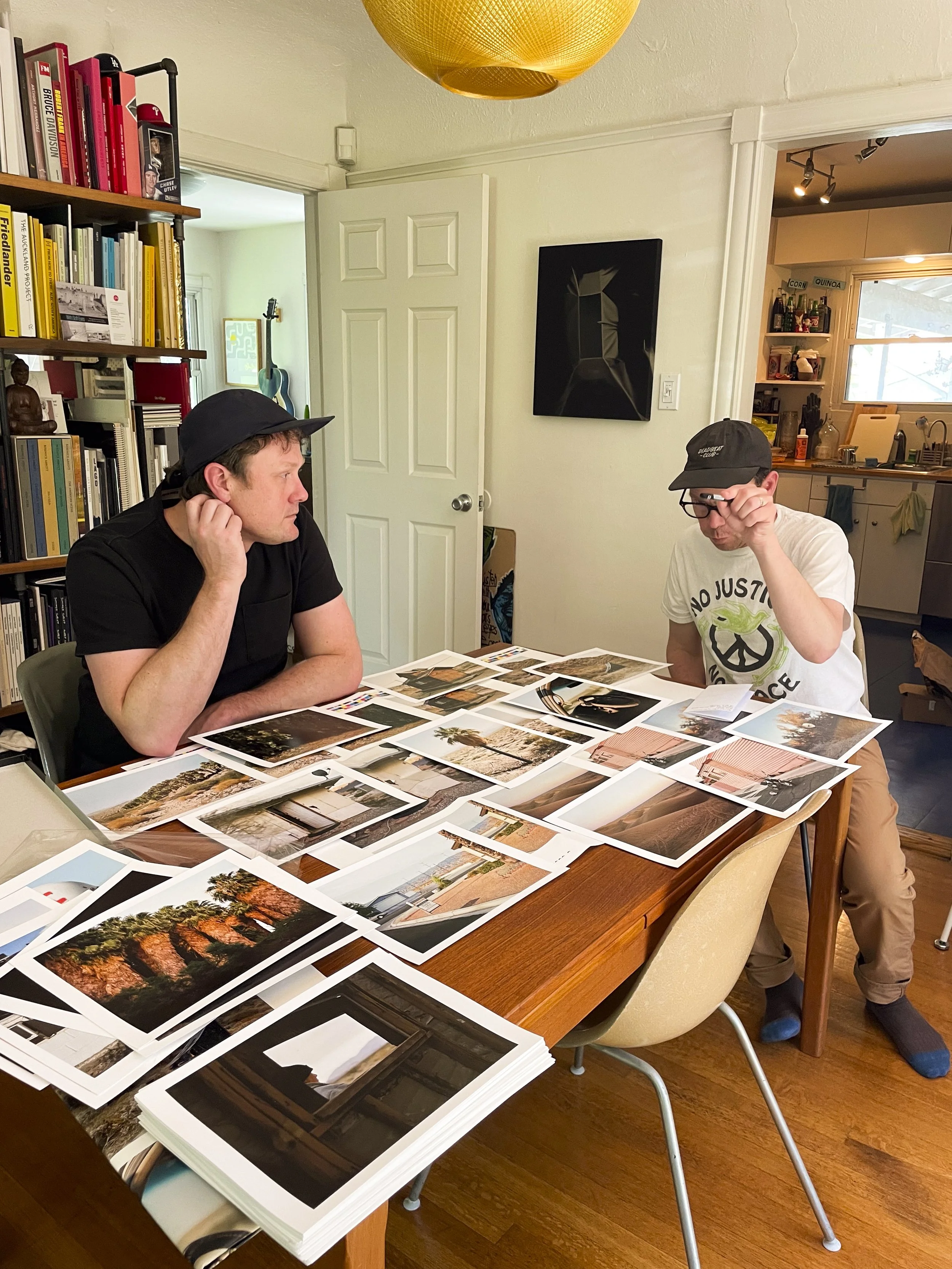
A publisher's eye on your work at the key stages: there are three one-on-ones, the first look, while it's still in motion, and as it's resolving. Plus a group session on the collective publication.
Your work pressure-tested by the room, and a front row seat to everyone else's projects as they develop.
Six group critiques
Six guest lectures and critiques
Working artists, editors, curators, and publishers, with drop-ins on group critiques through the year.
Drop-in working sessions on Zoom. Time set aside to do your work, with the group present for camaraderie and accountability.
Study hall
A kickoff weekend in Los Angeles
An optional in-person weekend to get to know each other and have a little fun.
Note*
The program is built to run online, so you can take part from anywhere. Both in-person events, the March kickoff and the August opening, are optional. You can complete the whole program without traveling to Los Angeles.
—Outcome
Your work realized
Your project resolved to a real presentation, in whatever form suits the work and the stage it's in: a maquette, a full dummy, a print set, a portfolio. It varies by person and project. We work out what that means for your work early and set achievable goals to get there.
A group exhibition
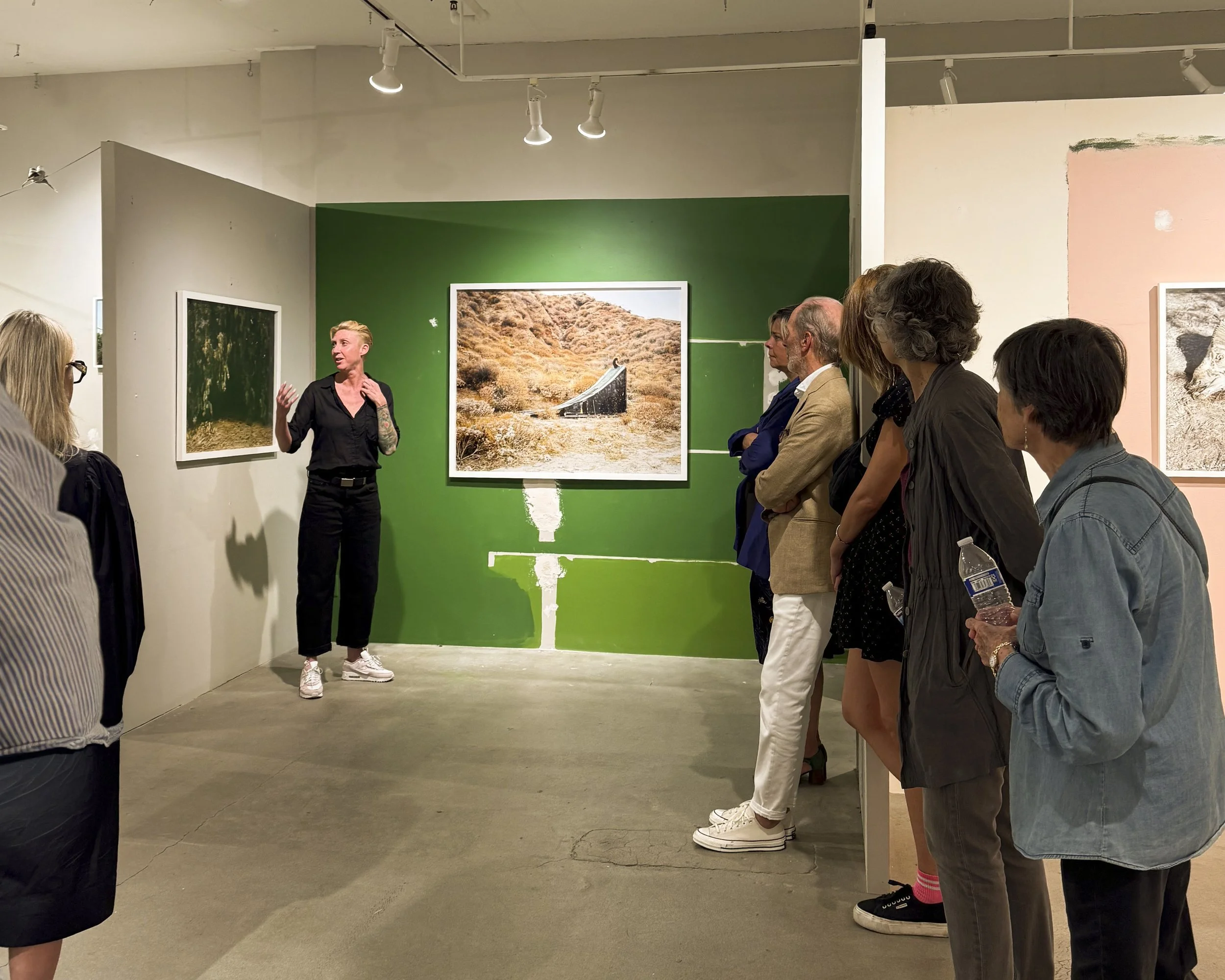
A group show in Los Angeles, opening at the end of August. Every participant is included and invited.
A collective publication
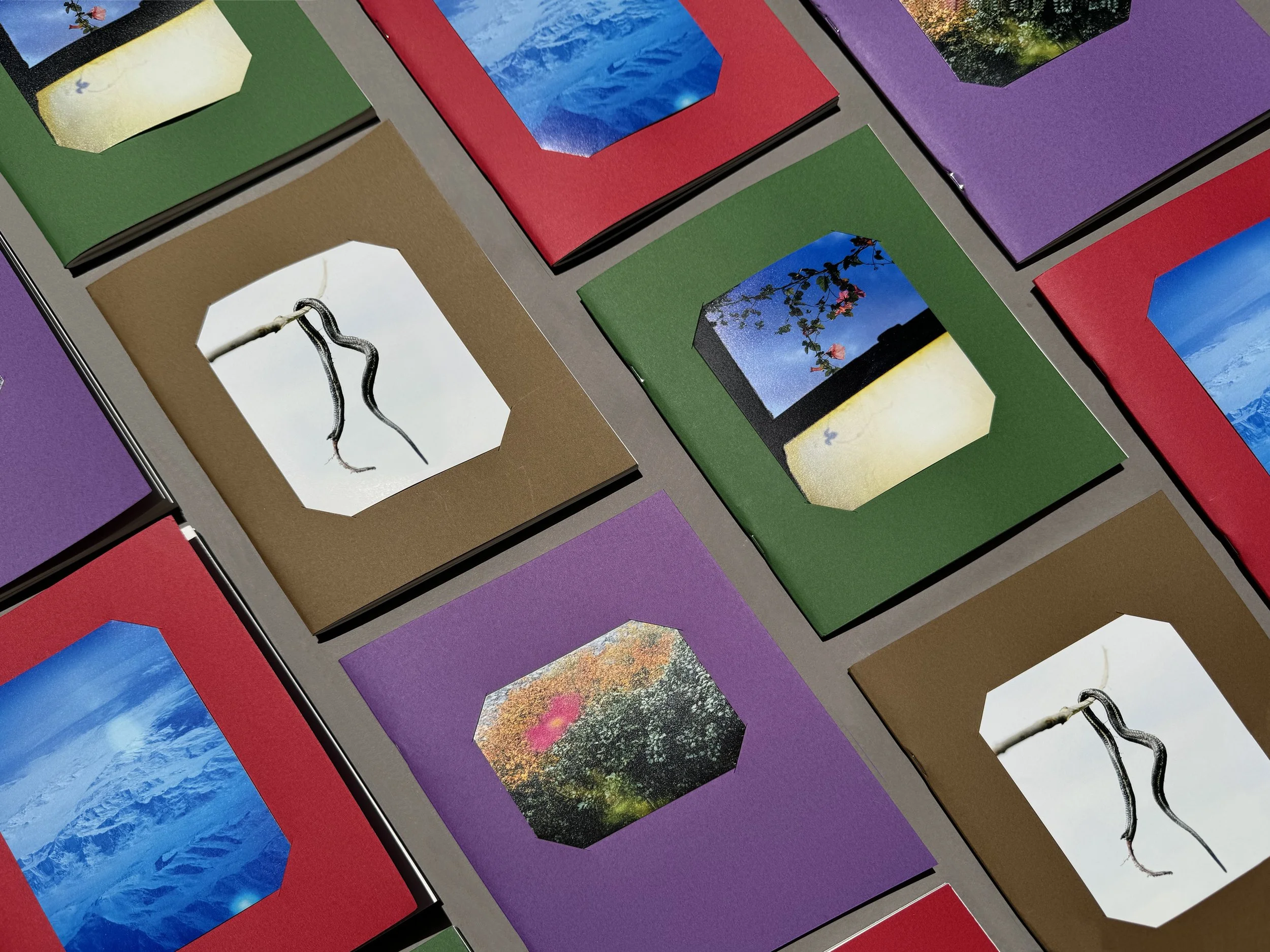
A publication by Deadbeat Club, edited and designed by Clint and Alex. Release celebration and book signing at the exhibition opening, then carried alongside Deadbeat Club’s other publications to fairs and events, including Paris Photo. Every participant is included and invited.
A plan for what's next
The program ends with taking stock. Where the project goes from here, what it needs, who to send it to, what to apply for, and a realistic sense of the timeline. You leave knowing your next moves.
—Timeline
Meet the group and advisors. Get set up and pull your full body of work into something you can look at.
February
Preparation
We look at the work, see what questions it's asking, and set a direction for the months ahead. The optional weekend in Los Angeles is a chance to get to know your advisors and fellow artists in-person.
March
Discovery
We build the work toward its strongest shape. The heads-down middle, where the project gets made and pressure-tested.
April – June
Development
We decide the form and make it real: your own work, the collective publication, and the group show. The exhibition opens at the end of August.
July – August
Production
We take stock of what you made and build the plan for where it goes from here.
September
What's Next
—After the Program
Continued mentorship, publisher guidance, an invite-only crit group, and future offerings, all at an alumni rate
The program ends but you can keep going. There's one-on-one mentorship with Tracy, guidance from the publishers, and an ongoing peer critique group that grows year over year. We'll be adding workshops and other offerings over time, and alumni get first access with a dedicated alumni rate.
—Advisors
You work closely with your advisor and the publishers across the whole program.
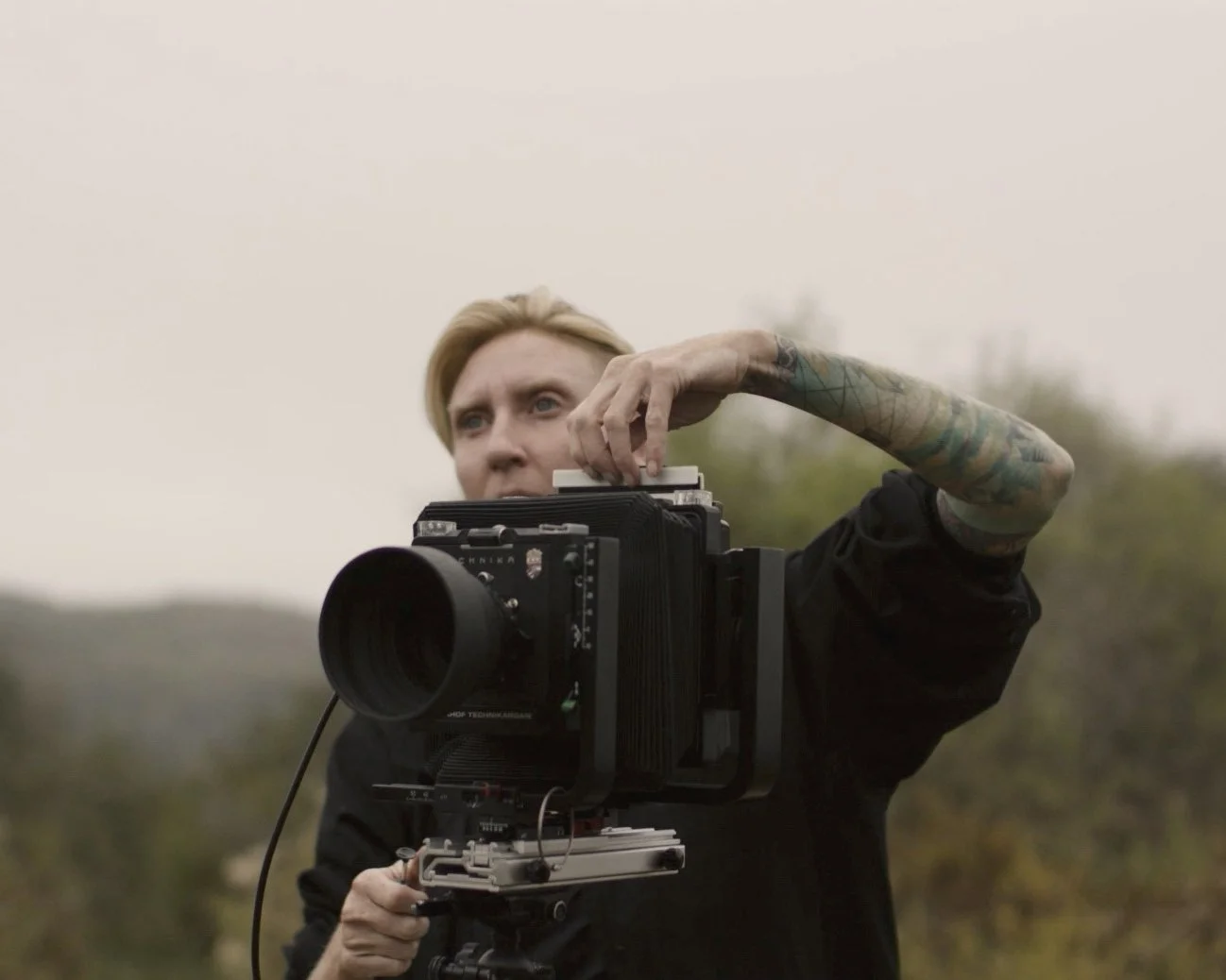
Tracy L Chandler
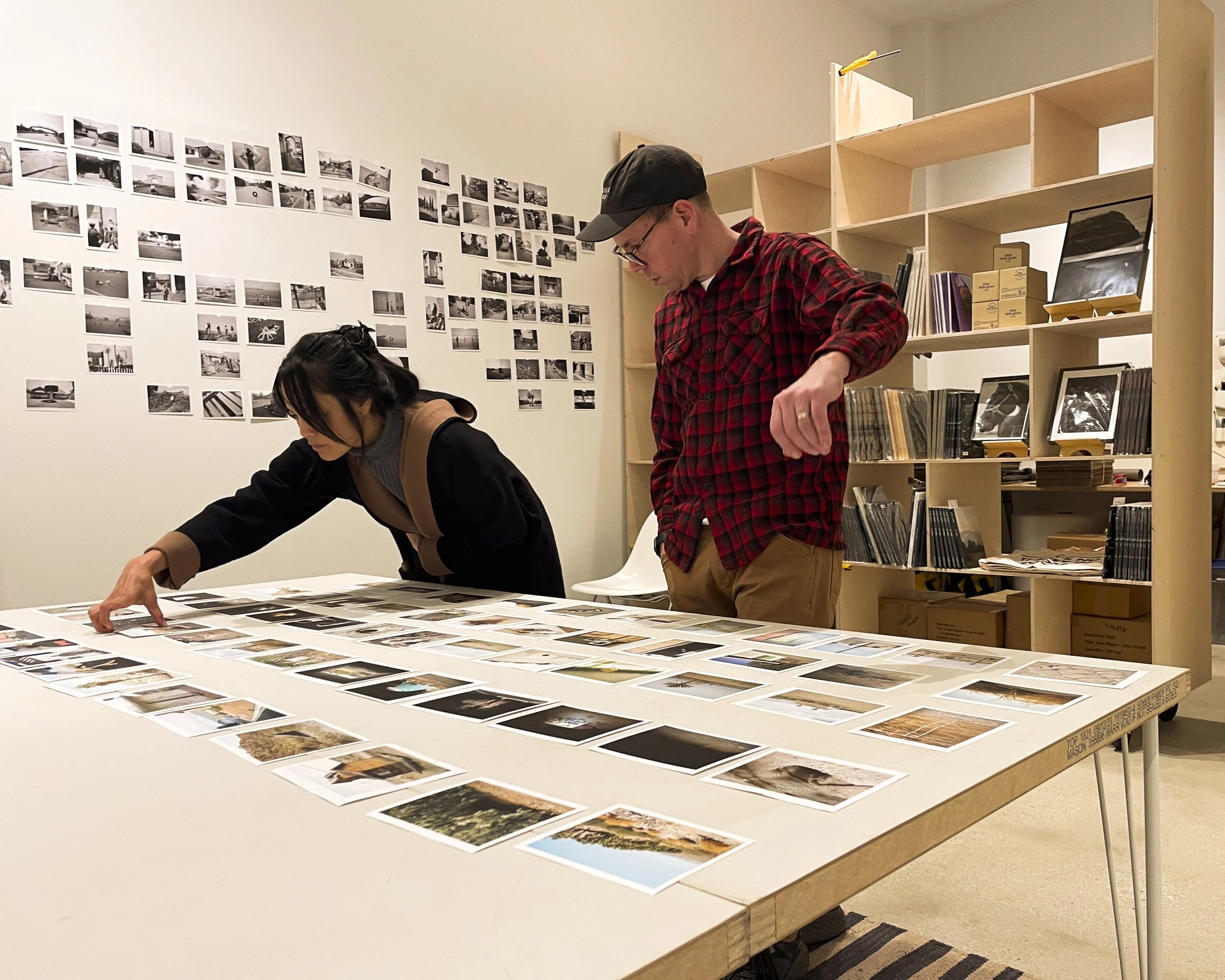
Clint and Alex Woodside
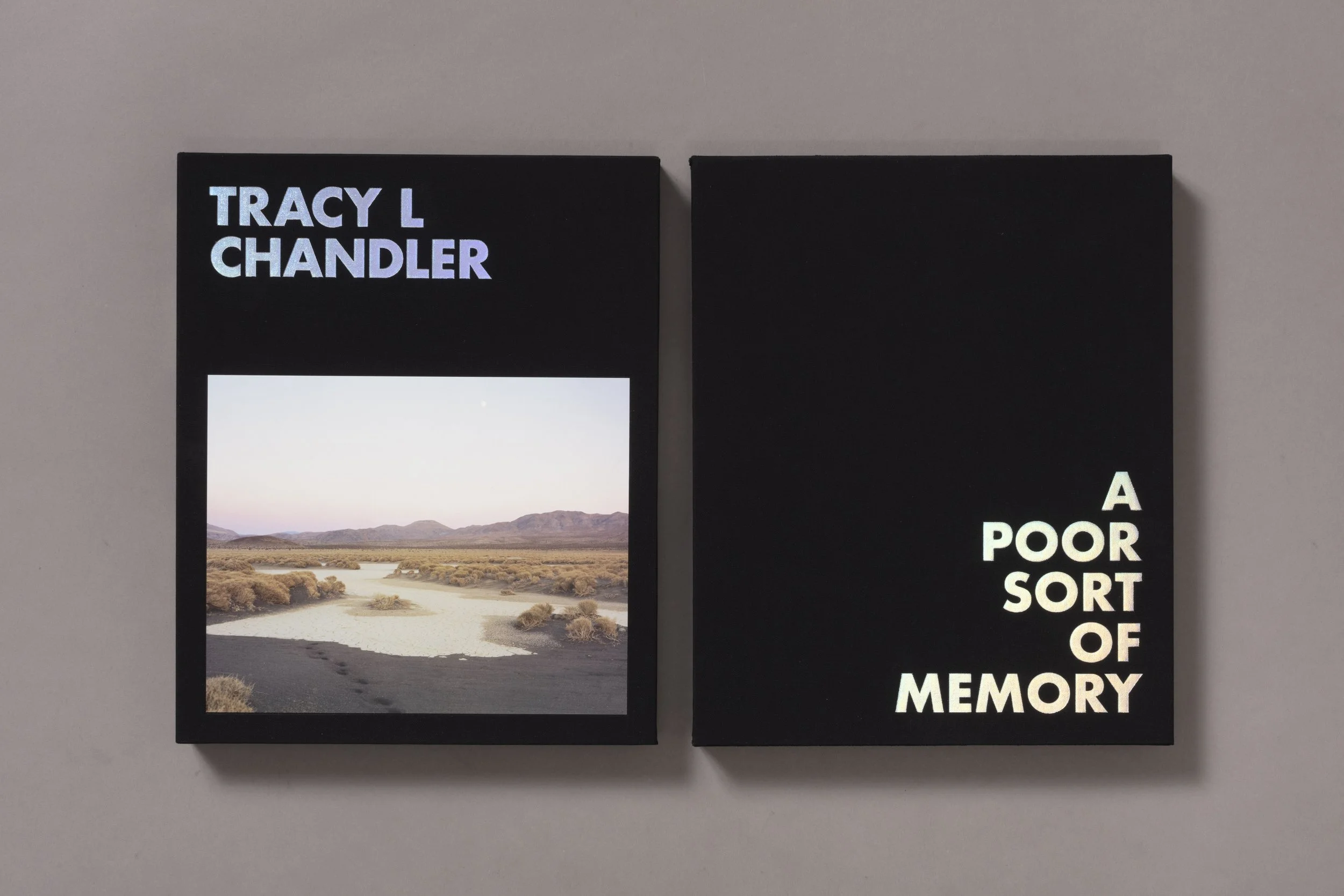
A photographic artist based in Los Angeles with an MFA from Hartford Art School, a low-residency program built around the photobook. Her monograph, A Poor Sort of Memory, was published by Deadbeat Club in 2024. She has shown work in solo and group exhibitions, received international awards and recognitions, and is a contributing editor at Lenscratch, where her column is devoted to interviews with photobook artists. She leads the program and advises each participant one-on-one throughout.
The publishers behind Deadbeat Club, the award-winning Los Angeles press and gallery known for its photobooks rooted in contemporary photography and its central place in the photo community. They work directly with each participant throughout the program, bringing a publisher's eye to the work as it develops.
—Guest Artists
Each year draws guests from a rotating roster of working artists, editors, curators, and publishers.
The guests are chosen for their relevance to the group and the projects in it. Some give lectures on their own work and how they made it, some sit in on a group critique and respond directly to yours. Over the year you get perspectives from every side of the work: artists who have built projects like yours, editors and curators who decide what gets shown, publishers who know what makes a book, and specialists in sequencing, design, and printing.
Note*
A working roster, subject to change. Guests are confirmed based on relevance to the cohort and scheduling. Expect a few surprise drop-ins too.
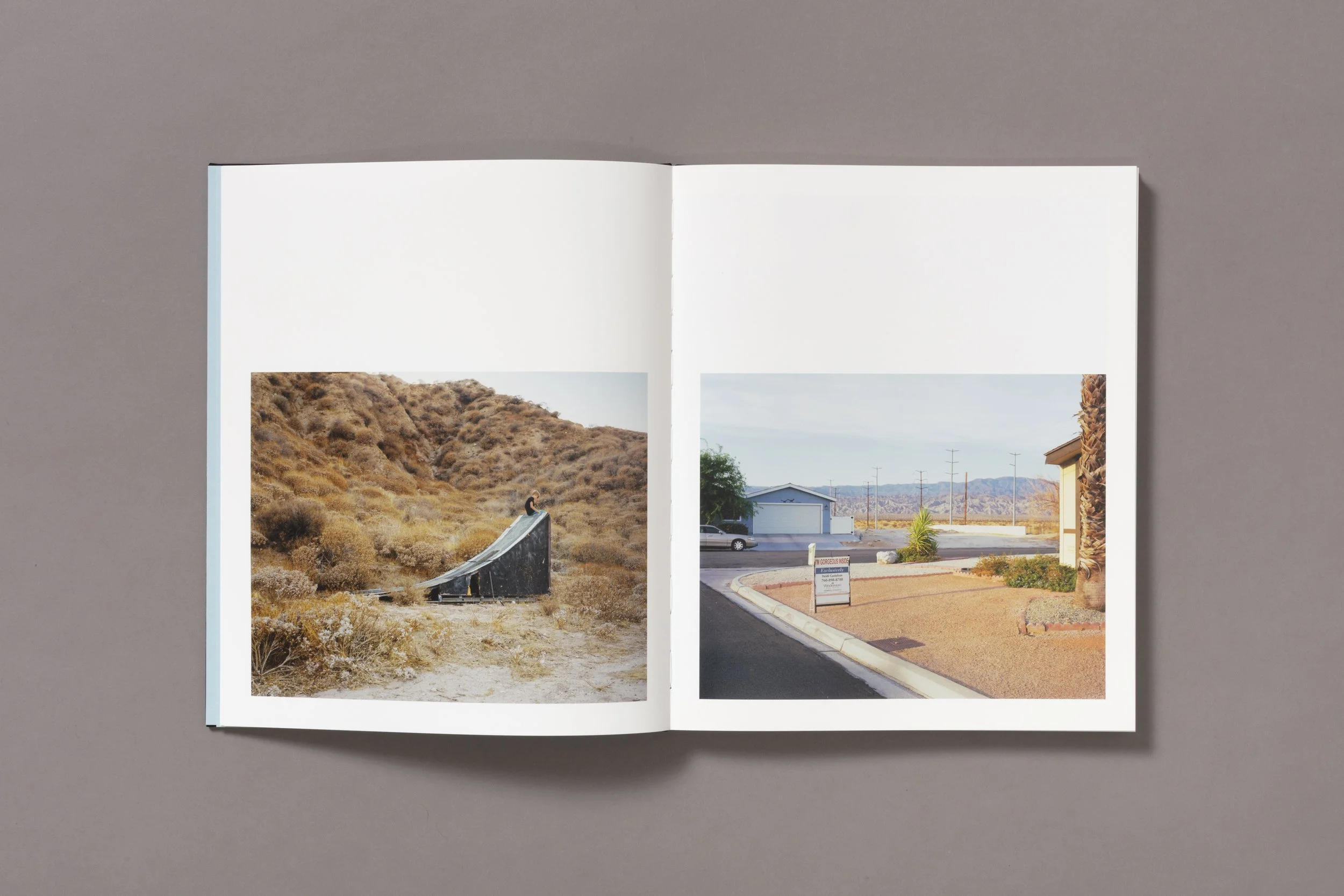
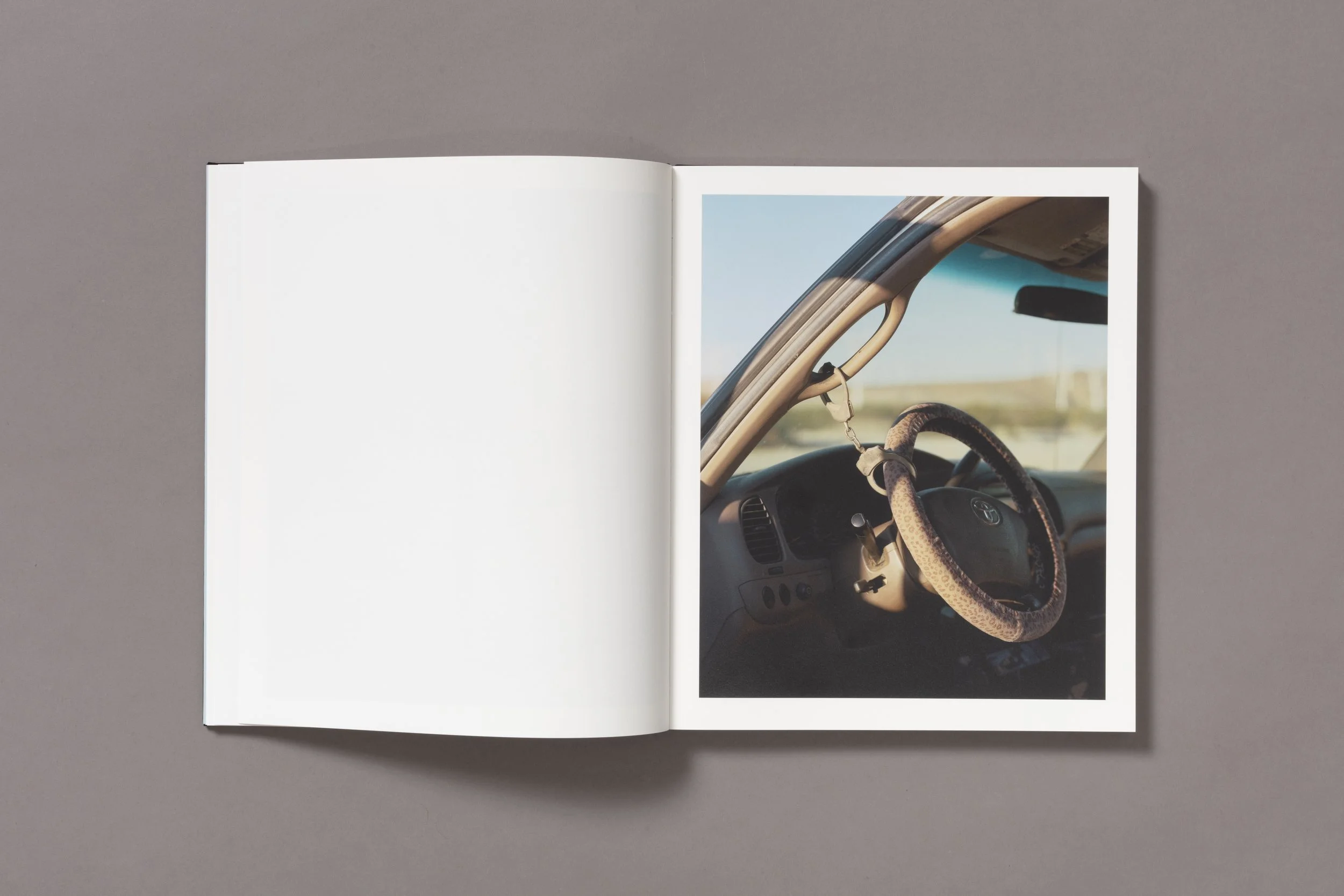
—Tuition
Tuition
$8500 full tuition rate
Early Bird
$7500 early bird rate
Early Bird Terms
Discounted rate is for applicants accepted during the early window, SEP 2026 – OCT 2026, locked in with your deposit
Payment Plan
A 25% deposit secures your place, and the balance can be paid in full or split into 3 additional payments, at no extra cost
Scholarship
One fully funded place. You opt in on the application and answer one short additional question. No financial documentation required
Fine print: The deposit is non-refundable. Tuition does not cover travel or accommodations for the optional in-person events. Full terms here.
—Apply
Applications are read as they come in, so applying early is better than waiting.
The application window runs SEP 2026 - DEC 2026. Acceptances go out on an ongoing basis. The group is announced in late January, and the program begins in February.
15 to 20 images of current work
Short answers about your practice and your project
A CV, if you have one
—You'll submit
Seriousness of practice and the quality of the work
Clarity about what you want to develop
Readiness for sustained engagement
—We look for
The application fee is $20. It takes about thirty minutes to apply. If you'd like to be considered for the scholarship, there's one additional question.
We may reach out for a short conversation before we finalize the group.
Applying means you agree to the terms.
—Get in Touch
Questions about the program are welcome. Email us.
All dates and updates go out to the mailing list. Join the list.
—FAQ
A few things people ask. If your question isn't here…
Ask us!
—Is this for you
-
Photographers with a body of work and a project they want to push further. Emerging, art-school-trained, self-taught, mid-career, it doesn't matter how you got here. What matters is that you have something you keep circling and you want the structure, feedback, and time to develop it.
-
No credential required. We look at the work and where you are with it, not your resume. You should be past the beginner stage, with a real body of work to build from.
-
No. The Classroom is about developing a project into a resolved body of work, most often a photobook. It's advising and critique, not technical instruction. You should already be comfortable with your own camera and workflow.
-
No. A loose idea, an archive you can't read yet, or a body of work that hasn't found its shape are all good starting points. Part of the work is figuring out what the project wants to be.
-
Yes, as long as you have enough work to show us how you see and what you're after. Some people will arrive still making the work, others will arrive with an archive to edit. Both fit.
—Format and commitment
-
The program is built to run online, so you can take part from anywhere. There are two optional in-person events in Los Angeles: a kickoff weekend in early March and the group show opening in late August. You can complete the whole program without traveling to either.
-
No. Both are encouraged because they're a good time and a chance to be in the room together, but neither is required, and your work is in the group show whether or not you attend the opening.
-
Most weeks have one scheduled session, usually one to two hours: a one-on-one with Tracy or the publishers, a group critique, or a guest lecture. That works out to roughly four to six hours of live sessions in a typical month, with optional study halls on top. Beyond that, the time is your own work on the project, which is where most of it goes. The two in-person events (the March kickoff and the August show) are a weekend each if you choose to come.
-
Most group sessions land in PST mornings. Individual sessions flex to the person, and if a cohort skews European, we'll shift accordingly.
-
The core program runs February through September 2027. February is online introductions and individual prep. The group show and publication launch in August, with individual and group sessions wrapping up in September. October and beyond is optional: you'll have the chance to keep going with ongoing mentorship and an invite-only crit group, so the community and structure don't just stop when the program does. And the publication keeps traveling through the fall and beyond, going to Paris Photo, Printed Matter, and other fairs alongside Deadbeat Club's other publications.
—What you leave with
-
Two things carry the group's work into the world each year, and every participant is in both: a group exhibition in Los Angeles, and a collective publication by Deadbeat Club that includes work from your cohort. The group publication debuts at the August show and travels to fairs and events through the fall alongside Deadbeat's other publications.
You also leave with your own project resolved to a real presentation, in whatever form suits the work and the stage it's in: a maquette, a full dummy, a print set, an online portfolio. It varies by person and project. What you get is your work meaningfully further along, sharpened and clear, with a real plan for where it goes next. -
Yes. This isn't a juried selection at the end. Every participant is in the group show and in the collective publication.
-
No. The point isn't a credential. It's real work that exists, in print and on a wall, and a clear plan for taking your practice further.
—Applying
-
Applications are here. You'll upload images and answer a few short questions. It takes about thirty minutes.
-
A portfolio of 15 to 20 images, short answers about your practice and your project, and a CV. Full details are on the application.
-
Yes, $20.
-
On a rolling basis. We read them as they come in, so applying earlier is better than waiting. Acceptances and invitations go out on an ongoing basis. The application window stays open through December, so even once some spots are filled, you can still apply, and the group is publicly announced in late January.
-
Because we read as we go, it depends on when you apply. We may reach out for a short conversation before we finalize the group.
-
Maybe. For some applicants we'll set up a quick conversation before deciding. It's low-key, a chance to talk about your work and make sure the fit is right both ways.
-
Seriousness of practice and the quality of the work, clarity about what you want to develop, and readiness for sustained engagement.
-
We're not able to give individual feedback on applications, but if you have a specific question for us, feel free to ask.
-
Yes. You'd apply together with one application and one fee, and share everything across the program: your session times, your space in the group show, and your spot in the collective publication.
-
Yes, and we hope you will. If it's a matter of readiness, we may point you toward a workshop to prepare. If space was the only issue, we may hold a spot or offer a discount for the next round.
—Tuition and payment
-
$7500 early bird rate / $8500 full tuition rate
-
Yes. A deposit secures your place, and the balance is split into 3 payments across the program, at no extra cost. The deposit is non-refundable.
-
Yes. Applicants accepted during the early window get a discounted rate, locked in with your deposit. Early Bird window is SEP 2026 - OCT 2026.
-
There's one scholarship place, and for this first year it's fully free. You opt in on the application and answer a short additional prompt, no financial documentation required.
-
Deposit is non-refundable; balance refundable at least 30 days before the program begins, non-refundable after. Full terms here .
—About Deadbeat Club
-
A Los Angeles photobook press and gallery. The Classroom is its mentorship program.
-
Tracy L Chandler leads the program, alongside Deadbeat Club publishers Clint and Alex Woodside. Full bios are on the program page.
-
Each year brings a rotating group of prominent guest artists for lectures and critiques, drawn from working artists, editors, curators, and friends of Deadbeat Club. And there are always a few surprise appearances.